Dehumidifiers vs. Humidifiers: Which Does Your Home Need?
Humidity can make your home feel like a rainforest or a desert. Either way, it’s uncomfortable. Worse, it can mess with your health. At Aldo Heating, Cooling & Air, we’ve seen every type of humidity headache—and we know how to fix them.
Whether you’re sweating through summer or waking up with dry skin in winter, understanding when to use a dehumidifier versus a humidifier could save you money, protect your home, and help everyone breathe easier.
Why Humidity Matters Indoors
Think of air like a sponge. Too much water, and it starts to drip—too little, and it cracks. The right humidity keeps your home cozy, your air healthy, and your furniture (and lungs) happy.
The Environmental Protection Agency (EPA) recommends keeping indoor humidity between 30% and 50%. Stray too far from that sweet spot, and you might run into trouble.
- Too humid? Mold, dust mites, and musty smells move in.
- Too dry? Sore throats, cracked wood, and static shocks become daily annoyances.
But how do you know which appliance you need—or if you’re even in the danger zone?
Understanding Dehumidifiers and Humidifiers
Both appliances are like traffic cops for moisture. But they work in opposite directions:
- Dehumidifier: Pulls extra moisture from the air. Great for sticky summers or damp basements.
- Humidifier: Adds moisture to dry air. Perfect for parched winters or homes with lots of static electricity.
The trick is recognizing which one your home is begging for.
Signs Your Home Needs a Dehumidifier 🌧️
Damp air isn’t just uncomfortable—it can cause real problems. Here’s how to spot the warning signs:
- Musty or earthy smells: Mold and mildew thrive in high humidity.
- Condensation on windows: Water droplets inside your glass mean air is overloaded with moisture.
- Sticky or clammy feeling: If your skin feels tacky and the air feels thick, humidity is too high.
- Visible mold spots: Especially on ceilings, walls, or behind furniture.
- Warped wood or peeling paint: Excess moisture is the culprit.
- Allergies acting up: Dust mites and mold spores love damp spaces.
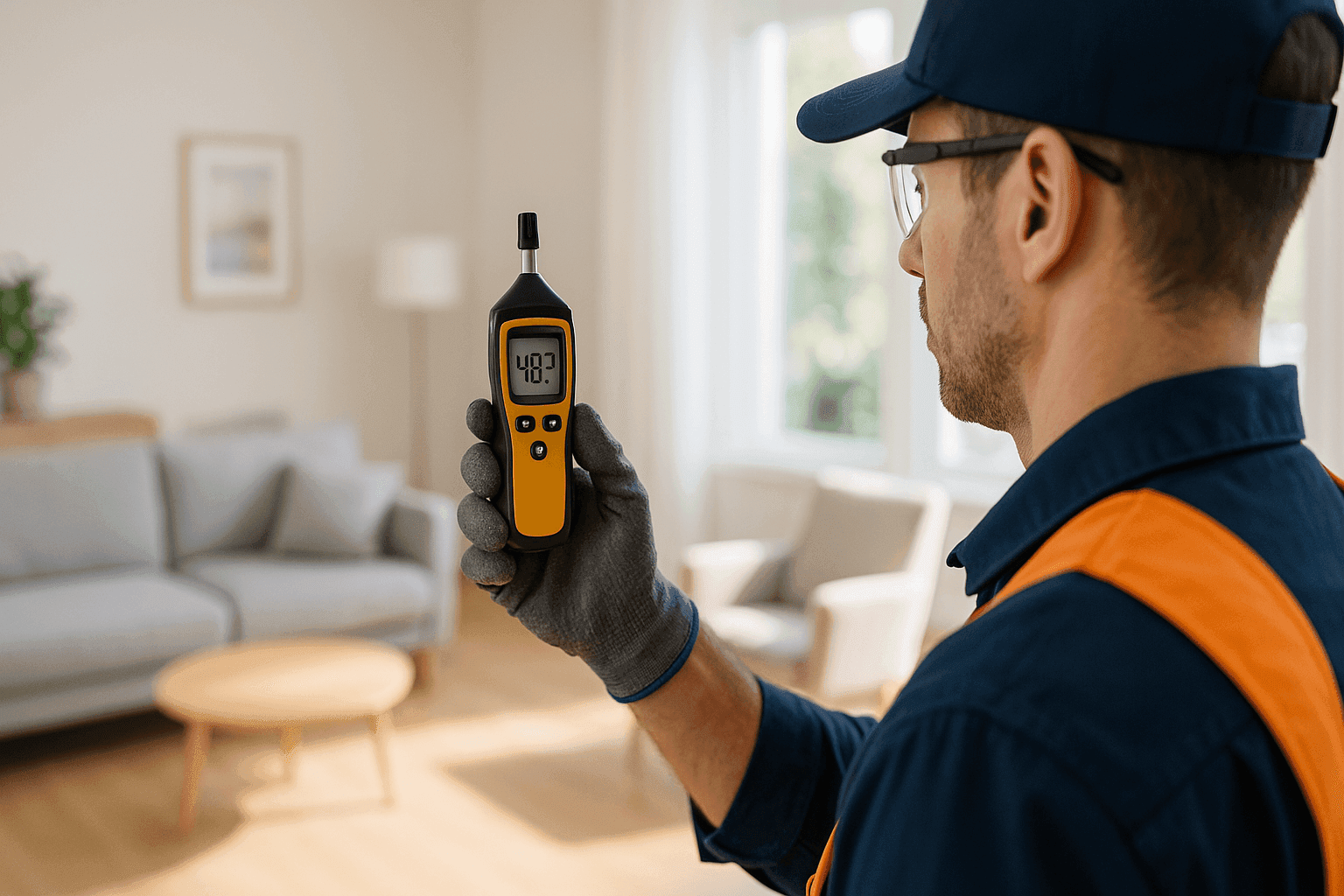
Quick Tip: Use a digital hygrometer (a humidity gauge) to check your levels. Over 50%? It’s time to act.
When to Use a Humidifier 🌬️
Dry air sneaks up in winter, when heaters run nonstop and cold winds blow. Here’s what to watch for:
- Static electricity: Zapping yourself on doorknobs? That’s dry air at work.
- Dry, itchy skin or chapped lips: Air is sucking moisture from your skin.
- Scratchy throat or nosebleeds: Mucous membranes dry out in low humidity.
- Cracked wood or musical instruments: Furniture and floors can shrink or split.
- Plants drooping: Even houseplants suffer when air is parched.
Pro Move: Set your humidifier to kick in when humidity drops below 30%. A little moisture goes a long way.
Home Humidity Level Chart
Here’s a simple guide for where you want your home’s humidity:
- Below 30%: Air is too dry—use a humidifier.
- 30% – 50%: Just right. No action needed.
- Above 50%: Air is too damp—use a dehumidifier.
Note: For asthma or allergy sufferers, the American Lung Association recommends keeping humidity closer to the 30–40% range to discourage dust mites and mold.
Quick Home Humidity Diagnostic Guide
Not sure what you need? Try this:
- Check the weather: Is it humid outside? Or dry and cold?
- Look for clues: Are you seeing condensation, or are your lips cracking?
- Test with a hygrometer: Less than $20, and it tells you instantly.
- Room-by-room check: Basements might be humid, bedrooms dry.
- Ask your family: Are symptoms worse in certain rooms or seasons?
If you’re still scratching your head, that’s where Aldo’s indoor air quality (IAQ) team comes in.
Finding the Right Balance ⚖️
Getting humidity right isn’t just about comfort—it’s about safety and health. Too dry or too damp, and you invite trouble:
- Mold, mildew, and dust mites (high humidity)
- Respiratory irritation and wood damage (low humidity)
The best approach? Use a mix of tools and good habits:
- Seal up leaks: Stop damp air sneaking in.
- Ventilate bathrooms and kitchens: Fans help move excess moisture out.
- Schedule regular HVAC maintenance: Clean filters and tuned-up systems keep air flowing right.
- Consider whole-house solutions: Central humidifiers or dehumidifiers work better than portables for big problems.
Aldo’s Recommendations for Healthy Home Air
At Aldo Heating, Cooling & Air, we recommend:
- Install a whole-house humidifier or dehumidifier: Integrated into your HVAC, it’s set-and-forget.
- Upgrade your air filtration: HEPA filters and air scrubbers remove tiny moisture-loving particles.
- Test indoor air quality: Our IAQ testing pinpoints hidden issues—fast.
- Routine checks: Annual heating and cooling maintenance keeps everything in balance.
We follow guidelines from ASHRAE (the American Society of Heating, Refrigerating, and Air-Conditioning Engineers) for safety and performance.
FAQ: Dehumidifiers & Humidifiers in the Home
How often should I run my dehumidifier or humidifier?
Only as needed. If your humidity stays between 30% and 50%, you may not need them at all. Seasonal changes often mean you swap between the two.
Can I use both at the same time?
In different rooms—yes. For example, a humidifier upstairs in winter, a dehumidifier in the basement year-round.
Will running one impact my energy bill?
Yes, but usually only a little. Overusing either can be wasteful. The best savings come from keeping your HVAC system well maintained and only running extra equipment when needed.
Is it safe for children and pets?
Most models are, but always keep water reservoirs clean to avoid bacteria growth. Whole-house systems installed by pros are safest and lowest-hassle.
Practical Tips for Every Season
- Spring/Summer: Watch for damp spots after heavy rain. Run your bathroom fan after showers.
- Fall/Winter: Use a humidifier when indoor heat dries the air. Don’t overdo it—watch for window condensation.
- All year: Check for leaks in crawl spaces and attics. Clean and replace filters as recommended by the manufacturer.
When to Call Emergency HVAC for Humidity Issues
If you spot major mold, wood rot, or sudden spikes in allergies—don’t wait. These can mean a hidden plumbing leak or a failing HVAC system. For those “something’s really wrong” moments, Aldo Heating, Cooling & Air offers emergency hvac repair near you, 24/7.
The Bottom Line
Humidity isn’t just a number—it’s a feeling, a health factor, and a peace-of-mind issue. Whether you’re battling sticky summers or bone-dry winters, the right fix is out there.
Ready for answers or fast solutions? Our team at Aldo Heating, Cooling & Air is standing by. From IAQ testing to whole-house installations, we bring clarity (and comfort) back to your home.
Call Aldo Heating, Cooling & Air now — or reach us anytime at 877-748-4187 .