Duct Cleaning Demystified: Benefits, Process, and When to Schedule
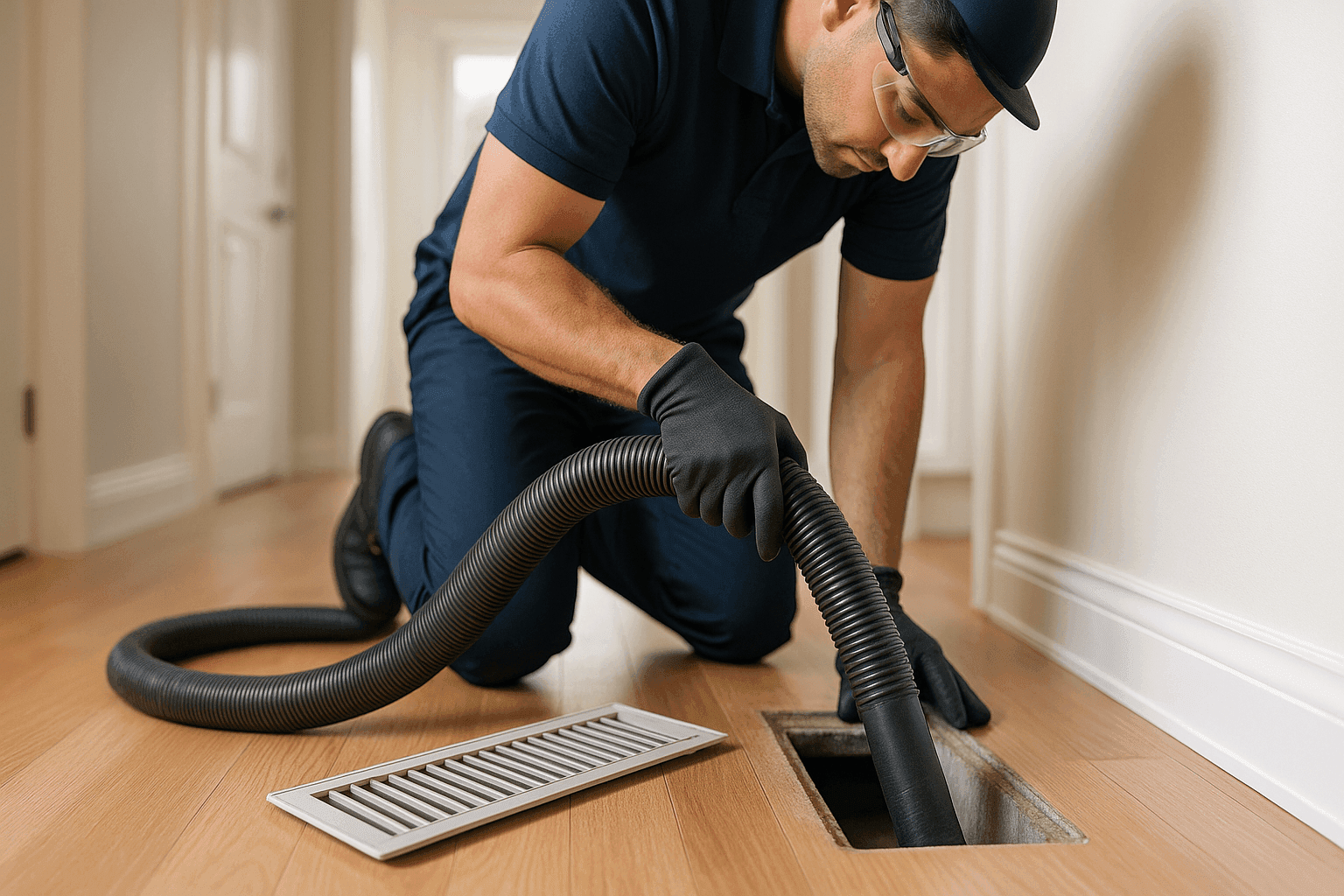
You might not see it, but the air in your home is constantly moving—swirling through vents, ducts, and filters. Out of sight, out of mind? Not quite. Dust, pollen, and debris can lurk in your ductwork, quietly impacting your comfort and health.
At Aldo Heating, Cooling & Air, we know how quickly a minor issue can spiral—especially when it comes to indoor air quality. If you’re searching for “HVAC Repair near you,” or facing a sudden emergency hvac situation, understanding duct cleaning is a smart first step.
Why Duct Cleaning Matters
Imagine your home’s ductwork as the lungs of your house. Every time your furnace or AC kicks on, those “lungs” breathe in and out, circulating air to every corner. When ducts are dirty, it’s like breathing through a dusty cloth—harder, less efficient, and definitely not healthy.
The Real Benefits
- Cleaner Air: Removes dust, allergens, and pet dander, making every breath in your home fresher.
- System Efficiency: Clean ducts reduce strain on your HVAC system, lowering energy costs and preventing breakdowns.
- Relief for Allergies: Reduces triggers for asthma and allergy sufferers, especially during high pollen seasons.
- Odor Control: Removes lingering smells from pets, smoke, or cooking.
The EPA notes that while duct cleaning isn’t always necessary, it’s crucial if there’s visible mold, vermin, or excessive dust in your system.
How Duct Cleaning Works 🛠️
Forget the idea of just sticking a vacuum in a vent. Professional duct cleaning is a multi-step process—a bit like spring cleaning for your home’s entire respiratory system.
Step-by-Step
- Inspection: Certified technicians use cameras and mirrors to check inside the ducts for buildup, pests, or mold.
- Prepping the Space: Vents, registers, and HVAC components are covered or sealed to protect your home.
- High-Powered Vacuum: Specialized vacuums, often truck-mounted, pull out dust and debris.
- Agitation Devices: Brushes, air whips, or compressed air dislodge stuck-on grime.
- Sanitizing (if needed): Safe, EPA-approved solutions may be used if there’s mold or bacteria.
- Final Check: Technicians review their work, ensuring nothing is left behind.
Aldo Heating, Cooling & Air uses NADCA-recommended best practices. Our technicians are trained and certified to follow safety and code guidelines.
Signs Your Ducts Need Cleaning 🕵️
How do you know it’s time? These signals are hard to ignore:
- Visible dust or debris blowing from vents when your HVAC turns on.
- Unexplained musty or stale odors lingering throughout your home.
- Allergy symptoms or respiratory issues worsening indoors.
- Recent construction or remodeling—sawdust and drywall dust love to hide in ducts.
- Mold growth or water damage inside the ductwork.
- Insect or rodent infestations—droppings or nests are a red flag.
If you notice these, scheduling a professional inspection is wise. Don’t wait for a full-blown emergency hvac situation.
Common Myths About Duct Cleaning
Duct cleaning sometimes gets a bad rap—thanks to misinformation and unrealistic claims. Let’s clear the air:
- Myth: “It’s a scam.”
Fact: When done by certified professionals using proper equipment, duct cleaning is effective and safe. - Myth: “It isn’t needed unless you see dust.”
Fact: Dust often settles deep inside ducts, out of view. Odors, allergies, or decreased airflow can tip you off first. - Myth: “Once is enough.”
Fact: Ducts should be checked every few years—more often with pets, allergies, or after renovations.
EPA and NADCA both recommend cleaning as needed—not on a rigid schedule, but based on your home’s unique needs.
DIY vs. Professional Duct Cleaning
Some homeowners wonder if they can tackle duct cleaning themselves. Here’s the bottom line:
DIY: What You Can (and Can’t) Do
- Replace filters regularly.
- Vacuum vent covers and accessible areas.
- Clean registers and grilles.
But DIY stops there. Ductwork runs behind walls, ceilings, and floors—impossible to reach with standard tools. Without professional equipment, you’ll only scratch the surface.
Why Call a Pro?
- Certified techs follow safety and code standards.
- Powerful vacuums and agitation tools reach deep inside ducts.
- Proper sanitization to eliminate bacteria or mold.
- Full inspection to spot leaks, damage, or hidden hazards.
For real results and peace of mind, leave duct cleaning to the pros—especially in emergency hvac scenarios.
What to Expect from Aldo’s Duct Cleaning Process 🧰
Inviting a team into your home can feel daunting. Here’s how Aldo Heating, Cooling & Air handles every step:
- Arrival & Introduction: Our uniformed, ID-badged technicians arrive on time and explain the process.
- System Assessment: We inspect your ductwork with cameras and provide a clear explanation of what we find.
- Protection: Drop cloths and vent covers keep your home clean.
- Thorough Cleaning: Using negative air machines, rotary brushes, and (when needed) EPA-approved sanitizers.
- Final Walkthrough: We review the results with you and answer any questions.
- Certification: Our team is trained to NADCA and EPA standards for residential HVAC.
No shortcuts. No hidden steps. Just honest, thorough service.
When to Schedule Duct Cleaning
Timing matters. Too soon, and it’s unnecessary. Too late, and you risk air quality or system breakdown.
Best Times to Schedule 🗓️
- After renovations or construction—dust and debris are inevitable.
- Every 3–5 years for most homes (per NADCA recommendations).
- Before allergy season—especially if family members have asthma.
- When moving into a new home—you don’t know what’s lurking in those ducts.
- If you notice musty odors or visible dust.
- Anytime after a pest infestation or water incident.
For emergency hvac repairs, cleaning may be needed right away to restore safe airflow.
Duct Cleaning: Safety Checklist
Prioritize safety, always. Here’s what to keep in mind before and during duct cleaning:
- Confirm technicians are bonded, insured, and trained (ask for certifications).
- Ensure equipment is HEPA-rated to trap fine particles.
- Protect pets and children—keep them away from work areas.
- Never use harsh chemical sprays in your ductwork.
- Follow local building codes and EPA indoor air quality guidelines.
Aldo Heating, Cooling & Air always follows industry standards for safety and quality.
How Often Should You Clean Ducts?
No two homes are alike. Your cleaning schedule depends on:
- Pets: More fur, more dust.
- Allergies: Sensitive noses benefit from more frequent cleaning.
- Local climate: Humid areas can foster mold growth.
- Home age and condition: Older homes may have more buildup.
Aldo recommends an inspection every 2–3 years, with cleaning as needed.
Costs & Time Factors
Wondering how much and how long? Here’s what to expect:
- Time: Most jobs take 2–4 hours, depending on home size and duct complexity.
- Cost: Varies based on square footage, number of vents, and system condition. (Always ask for a detailed estimate—no surprise bills.)
- Added costs: Mold remediation or pest removal may require extra steps.
Remember, quality duct cleaning pays off—lower energy bills, fewer repairs, and healthier air.
When Is Duct Cleaning an Emergency?
It’s rare, but sometimes urgent. Here’s when to call for emergency hvac service:
- Sudden, severe dust clouds or debris blowing from vents.
- Strong, unexplained odors of mold, rot, or chemicals.
- Visible mold growth inside the ductwork.
- After a fire, flood, or major water leak.
- Signs of vermin or pests—droppings, noises, or chewed wires.
Fast duct cleaning may be needed to restore safe air and prevent system damage. Aldo Heating, Cooling & Air offers 24-hour emergency service for just these moments.
Frequently Asked Questions
Q: Will duct cleaning stop my allergies?
A: It can help, especially if dust or mold is present. But it’s one part of an overall indoor air quality plan.
Q: Do I need to leave my house during cleaning?
A: Usually not! The process is safe, but you may want to step out if you’re sensitive to dust.
Q: Can cleaning damage my ducts?
A: Not when done by certified professionals using the right tools. We inspect for weak spots before starting.
Q: How do I prepare for a duct cleaning visit?
A: Clear access to vents and registers. Secure pets. That’s it—we handle the rest!
Local and Seasonal Considerations 🌦️
Your area’s climate and seasons can affect ductwork:
- Pollen-heavy spring? Consider cleaning before AC season.
- Cold winters? Schedule after running the furnace all season.
- High humidity? Watch for mold and schedule checks more often.
- Frequent storms or wildfires? Ducts can collect soot and debris, so annual checks are smart.
Aldo Heating, Cooling & Air adapts to your home’s needs—no matter where you are or what’s in the forecast.
Ready for fresher air and a healthier home?
Call Aldo Heating, Cooling & Air now — or reach us anytime at 877-748-4187 .