Generator Installation for Homeowners: Safety, Costs & Storm Prep
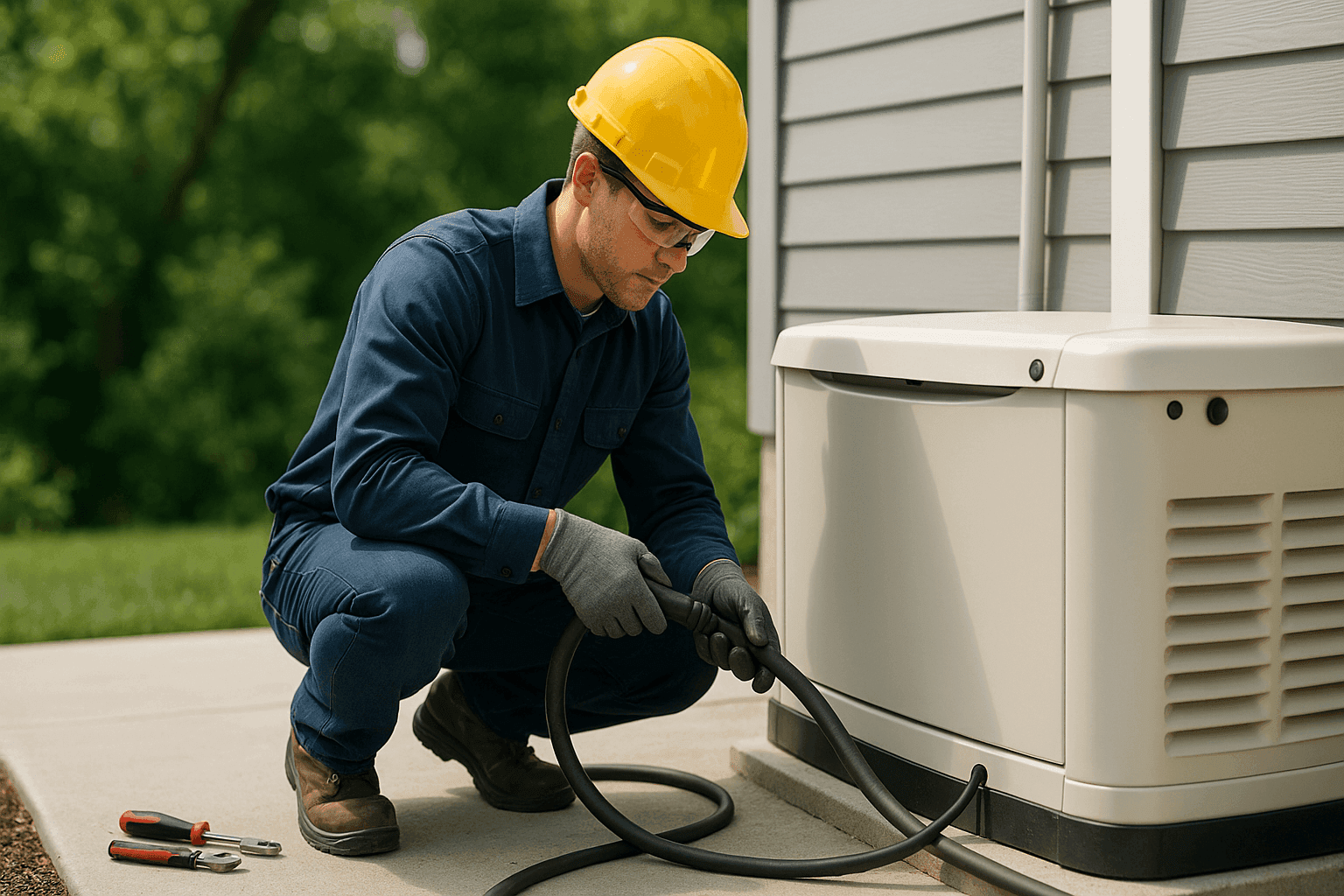
A storm rolls in. The sky darkens, wind rattles the windows, and suddenly—your power flickers out. For a moment, everything is still. Then, reality sets in: food spoils, lights stay off, and the furnace sits silent.
That’s when a backup generator moves from a “someday” wish to an absolute necessity. At Aldo Heating, Cooling & Air, we help homeowners prepare for the unexpected with safe, code-compliant generator installation and 24/7 emergency hvac service that’s always ready when you need it most.
Why a Home Generator Matters During Storms and Outages
The grid isn’t perfect. Heavy rain, ice, fallen trees, or even a blown transformer can knock out power for hours or days. This isn’t just inconvenient—it can put your family’s safety at risk.
Think about:
- Medical equipment that needs uninterrupted power.
- Basement sump pumps standing guard against flooding.
- The furnace or AC that keeps your home livable, year-round.
A home generator acts as your personal safety net, kicking in when the world outside gets unpredictable. But choosing and installing one isn’t as simple as plugging in a toaster. There are important decisions, safety rules, and real-world prep involved.
Types of Home Generators ⚡
Not all generators are created equal. Choosing the right one is a bit like picking the best shoes for a marathon—you need the right fit, or you’ll regret it later.
Portable Generators
- Affordable and flexible.
- Power a few essentials (like your fridge and a couple of lights).
- Need to be manually started and fueled.
- Must be kept outdoors—never inside a home or garage due to deadly carbon monoxide.
Standby (Whole-House) Generators
- Permanently installed outside your home.
- Automatically turn on when power goes out.
- Can keep your entire house running, including heating, cooling, and major appliances.
- Run on natural gas or propane—no refueling trips in the middle of a storm.
Inverter Generators
- Smaller and quieter.
- Great for powering sensitive electronics.
- More efficient with fuel and power output.
When in doubt, talk to a HVAC Repair near you for advice. The right size and type depends on your home, your budget, and which essentials you want running during an outage.
Installation Steps & Safety Tips
Installing a generator is more than a weekend project. It’s a bit like adding a new heart to your home’s electrical system—precision, planning, and safety come first.
Site Selection
- Place generators outdoors, on level ground, far from windows and doors.
- Keep at least five feet of clearance (per National Fire Protection Association codes).
- Consider local building codes and HOA guidelines.
Permits and Inspections
- Most towns require permits for standby generator installation.
- Expect a visit from local inspectors to ensure everything meets National Electrical Code (NEC) standards.
Electrical Connections
- Never plug a generator into a wall outlet (“backfeeding”). This is extremely dangerous and illegal.
- Standby generators should be installed with a transfer switch by a licensed professional.
- Portable generators must use heavy-duty extension cords rated for outdoor use.
Fuel Safety
- Store gasoline or propane safely, away from living spaces.
- Regularly check for leaks.
Quick Safety Checklist
- Never run a generator indoors or in an attached garage.
- Always read and follow manufacturer instructions.
- Test your generator monthly.
- Install carbon monoxide detectors inside your home.
Cost Breakdown 💰
How much will it all cost? It depends. Think of it like buying a car: the make, model, and features all play a big part. Here’s what to expect:
- Portable generators: $500–$2,500 (unit only); installation usually minimal.
- Standby generators: $3,000–$10,000+ (includes unit); professional installation may add $2,000–$6,000 depending on complexity.
- Permits and inspections: $50–$500 depending on location.
- Routine maintenance: $150–$300 per year.
Keep in mind, the real cost of going without power—damaged food, burst pipes, or a flooded basement—can be much higher.
Maintaining Your Home Generator
A generator is like a car: ignore it, and it won’t be ready when you need it. Routine maintenance isn’t optional.
- Change oil and filters as recommended.
- Test monthly—run under load for 20–30 minutes.
- Keep fuel fresh (rotate gasoline or check propane/natural gas lines).
- Schedule annual inspections by a professional.
Refer to manufacturer guidelines and check resources like the Electrical Safety Foundation International for best practices.
Emergency Preparedness & Safe Generator Use
A generator is only as good as your plan. Before the next storm:
- Walk your family through the generator’s location and operation.
- Keep extra fuel, oil, and extension cords on hand.
- Know how to shut off the main breaker and operate the transfer switch.
- Make sure your carbon monoxide detectors are working.
When the lights go out, you’ll be ready—not scrambling in the dark.
Why Professional Installation Matters
DIY can be tempting, but when it comes to electricity and fuel, the stakes are high. Professional installation means:
- Safe, code-compliant wiring.
- Proper permits and inspections.
- Peace of mind that your generator won’t endanger your home or family.
The team at Aldo Heating, Cooling & Air is trained to handle emergency hvac and generator installs—no shortcuts, just safe, reliable power.
Frequently Asked Questions
Will a standby generator power my whole house?
That depends on the size of your generator and your home’s electrical load. Many homeowners choose to power essentials (heat, fridge, lights) instead of the whole house. A licensed installer can help size your system accurately.
How often should I maintain my generator?
Monthly test runs and annual professional inspections are recommended. Check your owner’s manual for specific intervals.
Do I need a permit for a home generator?
Most cities and towns require permits for standby generator installations. Portable generators typically do not, but electrical modifications do. Always check local requirements.
Can I install a generator myself?
Portable generators can be set up by homeowners, but standby (whole-house) systems must be installed by a licensed professional for safety and code compliance.
Local and Seasonal Considerations 🌦️
Storm threats change through the year—summer brings lightning, winter brings ice. If you live in an area with frequent outages, or where extreme heat or cold can turn a blackout dangerous, a generator isn’t just a luxury—it’s a crucial part of your home’s safety plan.
Aldo Heating, Cooling & Air understands the unique needs of our community. Whether it’s a summer thunderstorm or a winter freeze, we’re ready with 24 hour emergency service to keep your power—and your peace of mind—intact.
Call Aldo Heating, Cooling & Air now — or reach us anytime at 877-748-4187 .