Home Energy Audits: Save Money and Boost Comfort
Is your home too cold in winter, too warm in summer, or just not as comfortable as it should be? If your heating or cooling bills make your jaw drop, you’re not alone. Many homeowners don’t realize how much money (and comfort) is leaking right out their doors, windows, and even attics.
At Aldo Heating, Cooling & Air, we know every home can be improved. Sometimes the fixes are simple. Sometimes they take a trained eye. Our certified team has helped families across the country uncover wasted energy, lower monthly bills, and create healthier, more comfortable living spaces—often in just a few hours.
What Is an Energy Audit? 🔎
Think of a home energy audit like a health checkup—but for your house. It’s a full inspection that examines how your home uses, loses, and wastes energy. We use specialized tools (no guesswork here) to spot problems you can’t always see.
An energy audit checks:
- Where conditioned air escapes (think: leaky windows and gaps)
- If your insulation is doing its job
- How well your HVAC system is running
- Whether hidden moisture or drafts are creating issues
It’s not just about saving money—though that’s a big perk. It’s about making your home safer, more comfortable, and better for your family.
Tools of the Trade
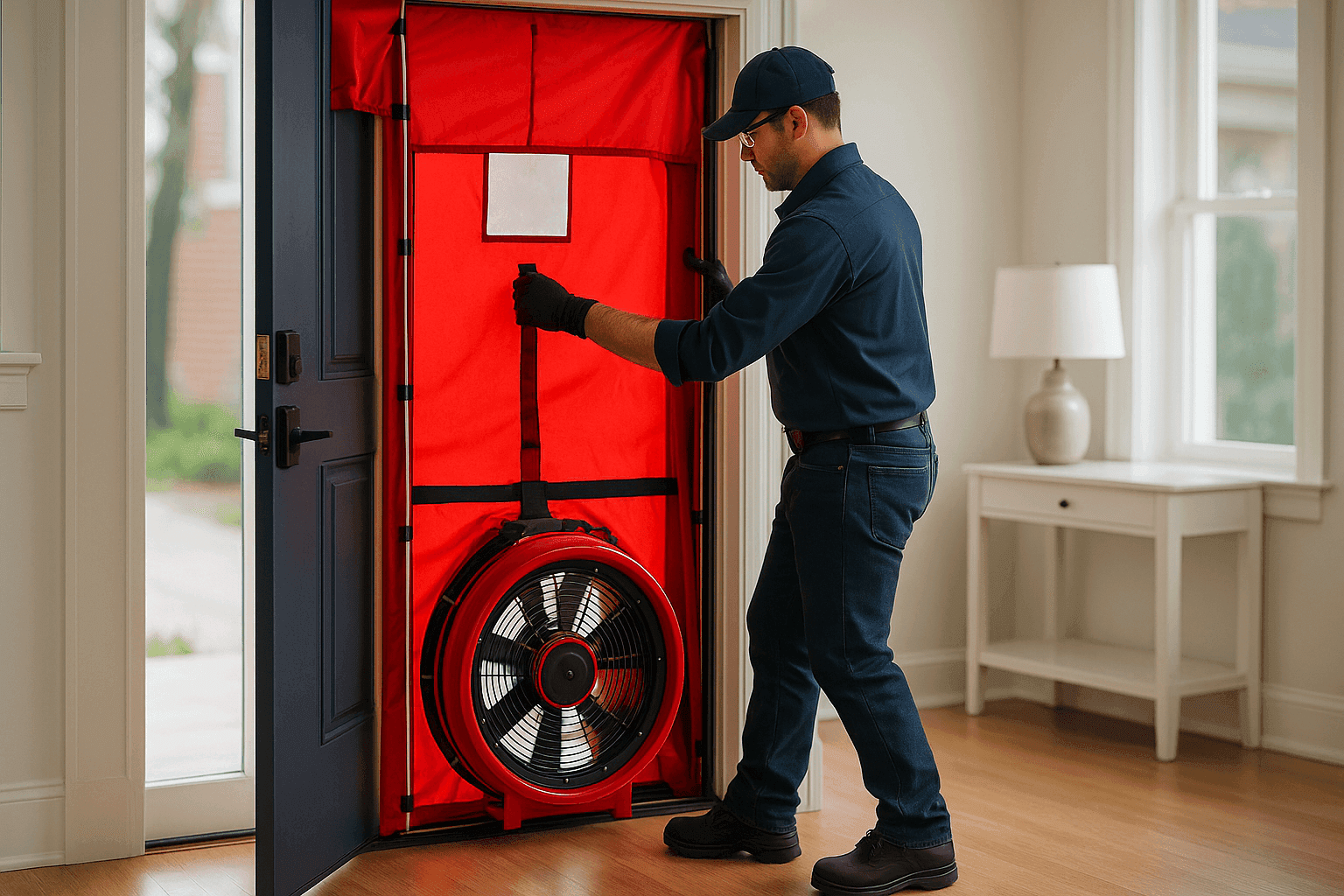
- Blower Door Test: Imagine a giant fan that gently sucks air from your home. We see where it sneaks back in—like smoke escaping from a campfire.
- Infrared Scanning: This “thermal vision” camera shows us hot and cold spots inside your walls, floors, and ceilings.
- HVAC System Checks: We inspect everything from your furnace to your ductwork, filters, and thermostats.
Key Areas Assessed
A thorough energy audit looks at your home from top to bottom. Here’s what’s on our checklist:
1. Building Envelope
- Doors, windows, and attics—common culprits for air leaks.
- Insulation levels in walls and ceilings.
- Gaps around plumbing, wiring, and vents.
2. HVAC Equipment
- Furnace, AC, heat pumps, and mini-splits.
- Filter condition and air flow.
- Ductwork for leaks, blockages, and balance.
3. Indoor Air Quality
- Humidity levels (too damp or too dry?).
- Signs of mold or poor ventilation.
- Air scrubbers, dehumidifiers, or humidifiers as needed.
4. Appliances & Lighting
- Old appliances gobble up electricity.
- Light bulbs—are they energy hogs or sippers?
5. Whole-House Fans & Exhaust
- Kitchen and bath ventilation.
- Hood and exhaust systems for safety and airflow.
Top Benefits for Homeowners
Why bother with an energy audit? Here’s what homeowners like you gain:
- Lower energy bills: Patch leaks, upgrade insulation, or tweak your HVAC system and watch monthly costs drop.
- More comfort: No more chilly corners or sweaty upstairs bedrooms.
- Improved air quality: Get rid of drafts, moisture, and sneaky pollutants.
- Safer home: Prevent mold, carbon monoxide, and fire hazards.
- Boosted home value: Efficiency upgrades are a major selling point.
Real Results: Sample Findings Report
Here’s what an Aldo Heating, Cooling & Air energy audit might reveal:
Sample Audit Summary
- Blower Door Test: Air leakage rate 25% above target. Main leaks: attic hatch, living room window, dryer vent.
- Infrared Scan: Cold spots detected behind bedroom wall—missing insulation.
- HVAC Inspection: Furnace filter clogged, reducing airflow by 40%. Duct leak in crawlspace.
- Humidity: Basement at 68% RH—risk for mold growth.
- Lighting: 45% of bulbs are incandescent (high energy use).
Recommendations
- Weatherstrip attic hatch and living room window.
- Add insulation behind bedroom wall (meets 2021 IECC standards).
- Replace and upgrade HVAC filters (MERV 11 recommended).
- Seal duct leak with mastic per ASHRAE guidelines.
- Install ENERGY STAR LED bulbs.
- Use dehumidifier in basement to maintain 40–50% RH.
What Happens During an Audit?
Curious about what to expect? Here’s the typical process:
- Initial Walkthrough: Your auditor asks about comfort issues and utility bills.
- Blower Door Test: We seal your front door with a special frame and run the fan. You’ll feel drafts where air is sneaking in.
- Infrared Scanning: We “see” temperature differences inside walls and ceilings.
- HVAC Evaluation: We check system age, maintenance needs, filter condition, and ductwork.
- IAQ Testing: Humidity, carbon monoxide, and airflow checks.
- Detailed Report: You receive clear, actionable findings.
How Long Does an Energy Audit Take?
Most residential audits take 2–4 hours, depending on your home’s size and complexity. You can stay home during the process—no need to pack up or leave.
Will the Audit Disrupt My Day?
We keep things simple and respectful:
- Most tests are non-invasive (no holes in your walls).
- We might move some furniture or open attic access panels.
- You’ll hear some fans and see tools, but your daily routine won’t be turned upside down.
ROI: Is an Audit Worth It?
Many homeowners see payback within 1–3 years, especially when they address the biggest energy leaks. According to the U.S. Department of Energy, sealing leaks and adding insulation can cut heating and cooling costs by up to 20% or more.
Consider this: If you patch a $30/month energy leak, that’s $360 in your pocket every year. The improvements last well beyond the first year—so the savings add up.
Common Questions
Will I need to replace my HVAC system?
Not always. Sometimes, a simple repair or filter change is all it takes. But if your system is outdated or inefficient, upgrading could save you more in the long run.
How often should I get an audit?
Every 5–7 years is a good rule of thumb, or sooner if you notice rising bills, persistent drafts, or after major renovations.
Can I do it myself?
You can spot some leaks with incense or soap bubbles, but you’ll miss hidden issues. Professional tools like blower doors and infrared cameras catch what eyes can’t see.
Is this only for older homes?
Nope. Even new homes can have surprising leaks or insulation gaps. Building codes vary, and mistakes happen.
Why Choose Aldo Heating, Cooling & Air?
When you call Aldo, you’re working with certified, background-checked auditors—no guesswork, no shortcuts. Our emergency HVAC team is ready 24/7 for urgent problems, but energy audits are about prevention, not just reaction.
We serve homeowners nationwide. No matter where you live, our auditors follow national safety codes and the latest Department of Energy guidelines. Your comfort and safety are always top priorities.
Energy-Saving Tips You Can Start Today
- Change your HVAC filter every 1–3 months.
- Use weatherstripping on drafty windows and doors.
- Install a programmable thermostat (and actually use it!).
- Close fireplace dampers when not in use.
- Run ceiling fans clockwise in winter, counterclockwise in summer.
- Keep vents and radiators unblocked by furniture.
What Does the Code Say?
We follow recommendations from organizations like:
- ASHRAE (American Society of Heating, Refrigerating and Air-Conditioning Engineers)
- IECC (International Energy Conservation Code)
- EPA (Environmental Protection Agency) for indoor air quality best practices
Ready to See Real Savings?
Stop guessing where your money is going. Let Aldo Heating, Cooling & Air show you the hidden story inside your walls and attic. Our certified team is just a call away, ready to help you boost comfort, cut waste, and enjoy peace of mind—all year round.
Call Aldo Heating, Cooling & Air now — or reach us anytime at 877-748-4187 .