Indoor Air Quality 101: Protect Your Family from Hidden Pollutants
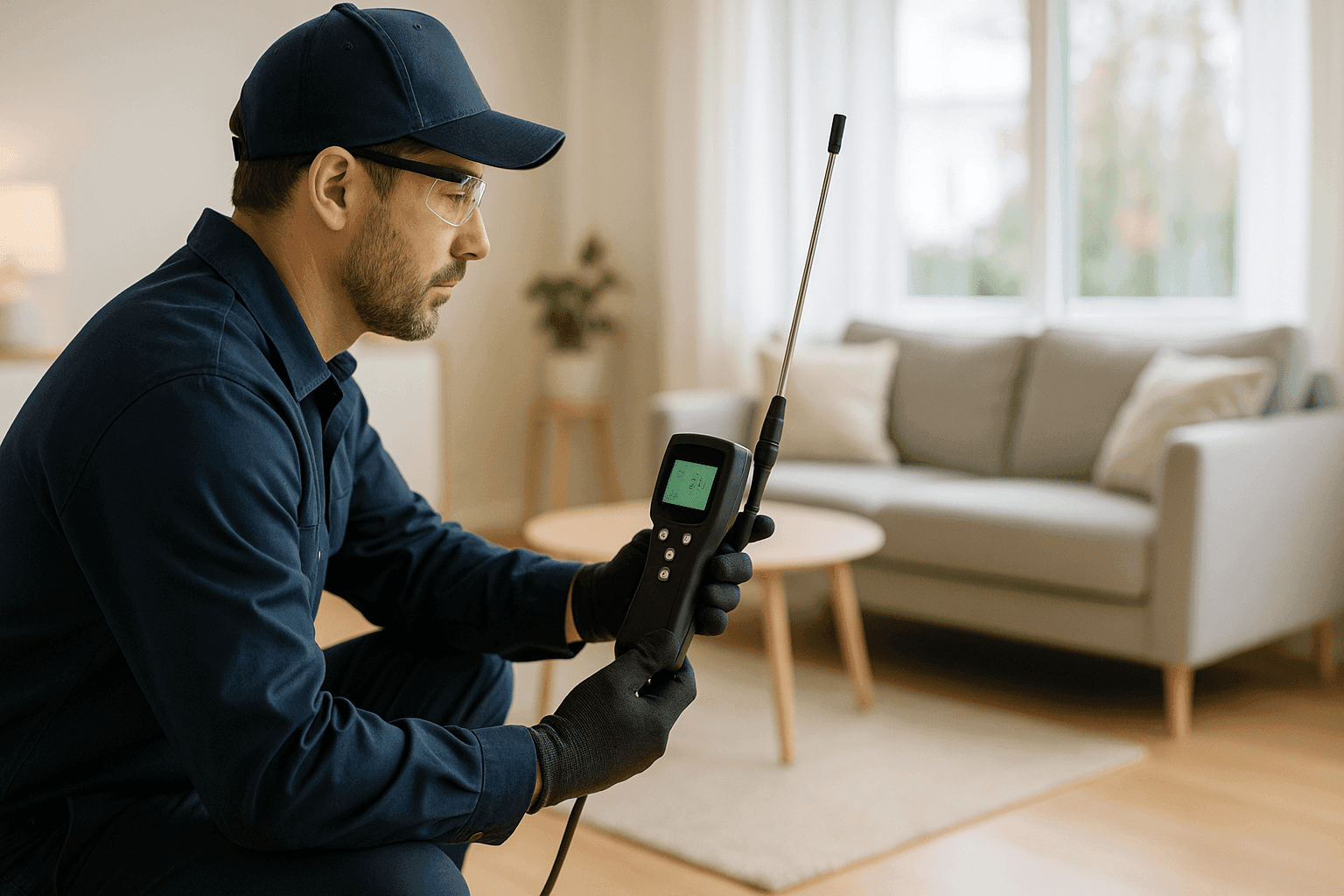
Picture this: Your living room, sunlight streaming in, kids playing on a soft rug, the family pet snoozing nearby. It feels safe—like home should be. But sometimes, what you can’t see is what matters most. Invisible pollutants, drifting through your air, can affect your family’s health every day.
At Aldo Heating, Cooling & Air, we know the quiet danger of hidden indoor pollutants. With decades handling emergency hvac and advanced air quality solutions, we’ve seen countless families breathe easier—often after years of unexplained symptoms. Let’s break down exactly what’s lurking in your air, why it matters, and what you can do right now to protect your loved ones.
Common Indoor Pollutants 🏠
Your home should be a sanctuary, not a source of health risks. But even the cleanest homes collect a cocktail of pollutants. Here’s what to watch for:
- Dust and Dust Mites: Fine particles from skin, fabric, and soil. They settle everywhere. Dust mites thrive in bedding and carpets, triggering sneezing and asthma.
- Pet Dander: Tiny flecks of skin shed by cats, dogs, and other animals. These float in the air and stick to surfaces, stubbornly resisting regular cleaning.
- Volatile Organic Compounds (VOCs): These are gases released by paints, cleaning products, new carpets, and even some furniture. You can’t see or smell most of them, but they can irritate lungs, eyes, and even affect your brain.
- Mold and Mildew: Where there’s moisture, there’s risk. Mold spores ride the air, causing allergy flare-ups, coughing, and more serious respiratory issues.
- Pollen: Even indoors, pollen sneaks in—on shoes, pets, or through open windows.
- Smoke and Cooking Fumes: Burning candles, fireplaces, and stovetops all release particles and chemicals.
- Bacteria and Viruses: Easily spread when someone’s sick, floating unseen in shared air.
- Carbon Monoxide and Nitrogen Dioxide: Colorless, odorless gases from faulty fuel-burning appliances (furnaces, ovens, generators). Dangerous, sometimes deadly.
The EPA ranks indoor air quality as a top five environmental health risk. Children, elderly, and those with allergies or asthma are especially vulnerable.
How HVAC Impacts Air Quality
Your HVAC system is like your home’s lungs. If it’s healthy, you get fresh, filtered air. If not, it can spread dust, mold, or worse—like blowing a dandelion’s seeds all over your house.
Ways HVAC Can Help or Hurt
- Filters: High-quality filters trap dust, dander, and pollen. If you neglect filter changes, your HVAC might just recirculate pollutants.
- Ductwork: Dirty or leaky ducts gather dust, mold, and bacteria. When your system runs, it sends those right back into your living spaces.
- Humidity: Too damp? Mold and dust mites thrive. Too dry? Dust and respiratory irritation increase. HVAC systems with humidity control keep levels balanced.
- Ventilation: Properly designed systems bring in fresh air and push out stale, polluted air.
- Advanced Add-ons: Air scrubbers, UV lights, and whole-house fans can dramatically reduce airborne germs and particles.
A neglected system is a silent culprit—a hidden conveyor belt for pollutants. That’s why regular HVAC Maintenance and emergency hvac service matter, especially if you notice persistent allergy symptoms or odd odors.
Best Solutions for Cleaner Air
There isn’t a single magic fix, but a handful of proven steps—some easy, some advanced—that can transform your indoor air.
1. Upgrade Your Filters
- Change filters every 1–3 months. Use at least a MERV 8 rating, but for allergy sufferers, a MERV 13 or higher can trap finer particles.
- Check your HVAC manual or ask a technician. Not all systems handle high-MERV filters.
2. Air Scrubbers & Air Purifiers
- Air scrubbers use UV light and a catalyst to break down bacteria, viruses, and VOCs—remarkably effective for families with allergies, kids, or older adults.
- Portable air purifiers can help in bedrooms or high-traffic areas, but whole-home solutions work best for broader protection.
3. Duct Cleaning
- Schedule professional duct cleaning every 3–5 years, or more frequently if you have pets, recent renovations, or visible dust/mold.
- Look for NADCA-certified pros (National Air Duct Cleaners Association).
4. Humidity Control
- Keep indoor humidity between 30–50%. Too high? Consider a dehumidifier. Too low? Add a humidifier to your HVAC system.
5. Ventilation
- Use exhaust fans in bathrooms and kitchens to remove moisture and fumes.
- Consider a whole-house fan or energy recovery ventilator for fresh air without losing heating or cooling efficiency.
6. Regular HVAC Maintenance
- Annual inspections catch early signs of leaks, mold, or mechanical issues.
- HVAC Repair near you is crucial if you hear odd noises, smell mildew, or notice weak airflow.
Expert Tips for Allergy Sufferers
- Vacuum with a HEPA filter at least weekly.
- Wash bedding in hot water to kill dust mites.
- Keep pets out of bedrooms and off furniture.
- Close windows during high pollen days.
- Consider IAQ testing for peace of mind and personalized solutions.
Why Professional IAQ Testing Matters
DIY kits can be hit-or-miss. Professional indoor air quality (IAQ) testing uses calibrated instruments and industry protocols. At Aldo Heating, Cooling & Air, our certified technicians measure for:
- Particulate matter (PM2.5, PM10)
- VOC levels
- Relative humidity
- Mold spores
- Carbon monoxide
We interpret results using EPA and American Society of Heating, Refrigerating and Air-Conditioning Engineers (ASHRAE) guidelines. We don’t just hand you numbers—we explain what they mean, and map out a path to safer air.
Aldo’s IAQ Expertise and Certifications
We don’t just install and repair—our team trains regularly on the latest IAQ technologies, from air scrubbers to advanced filtration. Our technicians hold certifications in:
- EPA Section 608 (refrigerant handling)
- NADCA (duct cleaning standards)
- ASHRAE protocols for indoor air quality
We’re available 24/7 for emergency hvac needs, and our IAQ assessments are thorough, clear, and actionable.
Real-World Signs You Have an Indoor Air Problem
- Frequent sneezing or coughing at home
- Lingering odors after cleaning or cooking
- Visible dust buildup on vents or furniture
- Mold spots around windows, bathrooms, or HVAC vents
- Family members with worsening asthma or allergy symptoms
- Headaches or fatigue that improve when you leave home
If any of these sound familiar, don’t ignore them. Your home’s air could be telling you something important.
FAQ: Indoor Air Quality
How often should I change my HVAC filter?
Every 1–3 months, depending on your system, pets, and local dust levels.
Are air purifiers worth it?
Yes, especially with allergies or sensitive family members. Whole-home air scrubbers connect to your HVAC for maximum impact.
What’s the best humidity level for my home?
Between 30% and 50% relative humidity. Use a hygrometer to check.
How do I know if I need duct cleaning?
If you see visible dust, mold, or smell musty odors, schedule a professional inspection.
Local and Seasonal Considerations 🍂
- Spring and Summer: Pollen and humidity spike. Run AC with a clean filter. Watch for mold near windows.
- Fall and Winter: Heaters dry the air, making dust and static worse. Add humidity and keep vents clean.
- Wildfire Season (if applicable): Keep windows closed, run air scrubbers or purifiers, and change filters more often.
Summary: Breathe Easier, Live Better
Invisible threats don’t have to rule your home. With smart HVAC choices, regular maintenance, and advanced IAQ solutions, your air can be as clean as your peace of mind. Aldo Heating, Cooling & Air is here for routine care and emergency hvac—so you and your family can focus on what matters most.
Call Aldo Heating, Cooling & Air now — or reach us anytime at 877-748-4187 .