Mini-Split Systems: Flexible Heating & Cooling for Any Room
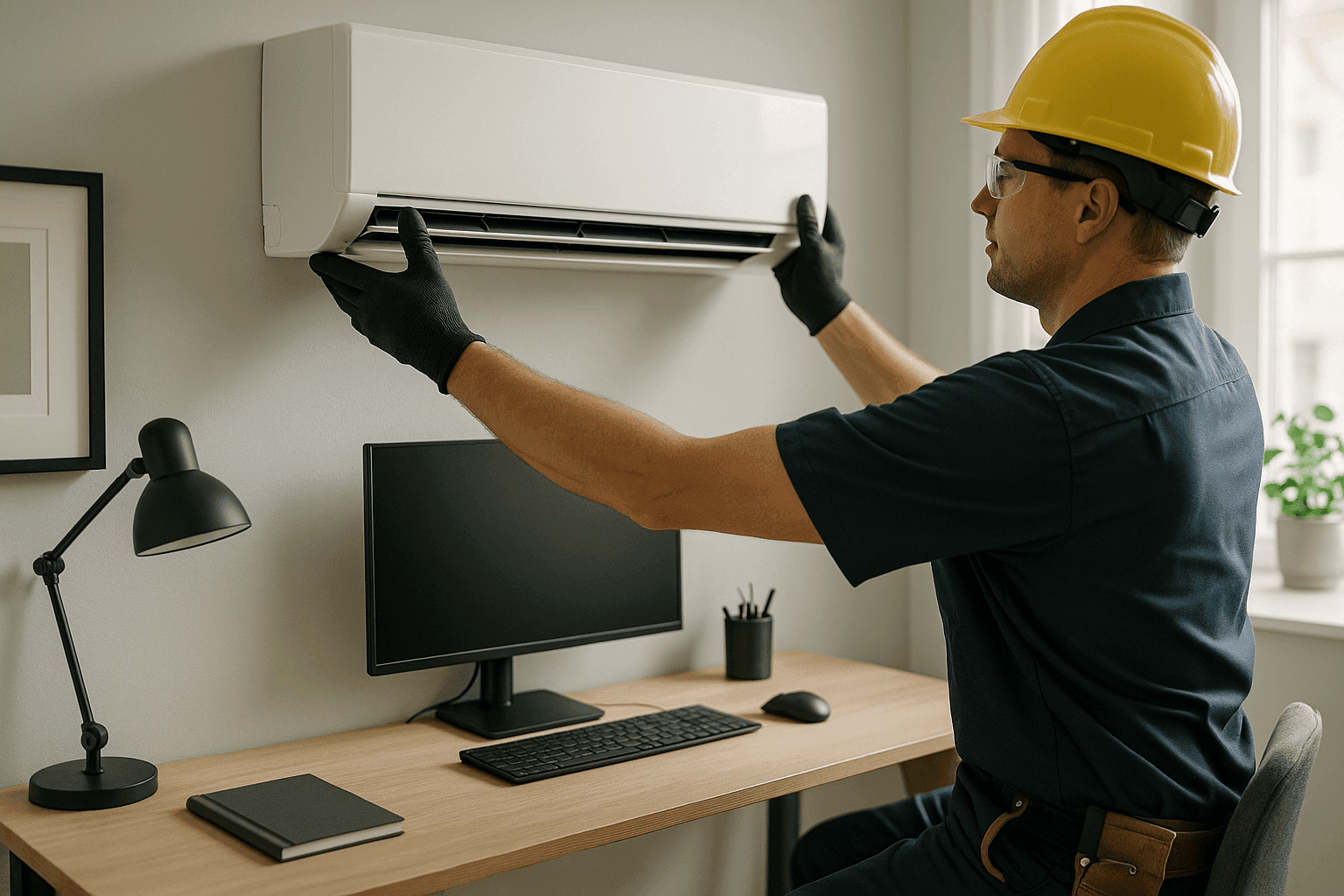
When the weather outside can’t make up its mind—or your home’s temperature never seems quite right—finding the perfect balance can feel impossible. Maybe your upstairs is always a sauna while the basement feels like the Arctic. Or perhaps you’ve added a sunroom, a home office, or a finished garage, and your existing system just can’t keep up.
At Aldo Heating, Cooling & Air, we know the frustration of a home that’s never truly comfortable. That’s why we help homeowners take control, room by room, with flexible mini-split systems. Let’s explore how these units work, why they’re surging in popularity, and if they’re the solution you’ve been searching for.
Mini-Split Basics 🛠️
Imagine if every room in your home could be its own climate zone. That’s the magic of mini-split systems. Unlike traditional HVAC setups that push air through a maze of ducts, mini-splits deliver heating and cooling exactly where you need it—no ducts required.
How Mini-Splits Work:
- Two Main Parts: Each system has an outdoor compressor and one or more indoor air handlers.
- No Ducts Needed: Instead of traveling through the house, conditioned air flows directly from the wall-mounted unit into the room.
- Zoned Comfort: You control the temperature for each unit separately, so the guest room can be cool while the nursery stays warm.
Mini-splits are perfect for:
- Bedrooms, attics, basements, and additions
- Rooms that get too hot or cold compared to the rest of the house
- Homes without existing ductwork
These systems are like giving each room its own personal thermostat—a small change that makes a huge difference.
Installation and Upkeep
Mini-splits are known for their quick installation. Unlike central air, you won’t need to tear up walls or ceilings to run bulky ducts. Most jobs wrap up in a day or two, and the process is surprisingly tidy.
What to Expect During Installation:
- A small hole (usually 3 inches or less) is drilled for refrigerant and electrical lines.
- The indoor unit mounts on a wall or ceiling; the outdoor unit sits quietly outside.
- Each zone is connected to the outdoor system, allowing for flexible expansion.
Cost Range:
- Single-zone system: $2,000–$5,000 (installed)
- Multi-zone system: $5,000–$12,000+ (depending on number of rooms and complexity)
- Energy savings: Many homeowners see lower utility bills—sometimes slashing cooling costs by 30% or more, according to ENERGY STAR.
Maintenance Tips:
- Clean or replace filters every 1–3 months.
- Keep the outdoor unit clear of debris, leaves, and snow.
- Schedule yearly professional tune-ups to check refrigerant and electrical connections.
Mini-splits are low-maintenance, but a little routine care keeps them running smoothly for years.
Mini-Split vs. Central Air
Wondering how mini-splits stack up against a traditional central HVAC system? Here’s a straight comparison.
Mini-Split Systems:
- No duct loss—meaning less wasted energy.
- Zoned control for maximum comfort and efficiency.
- Fast, non-invasive installation.
- Ideal for additions or rooms far from main vents.
Central Air:
- Best for whole-house cooling/heating with existing ductwork.
- Hidden ductwork and vents—no wall units.
- One thermostat controls the entire house.
If your home already has ducts in good shape, central air might still make sense. But for targeted comfort, energy savings, or older homes without ducts, mini-splits are a clear winner.
The Benefits of Mini-Splits
- Energy Efficiency: Ductless systems avoid the 20–30% energy loss common in ducted systems (U.S. Department of Energy).
- Flexibility: Heat or cool just the rooms you’re using. No more wasting energy in empty spaces.
- Quiet Operation: Mini-splits are whisper-quiet—ideal for bedrooms and offices.
- Improved Air Quality: Built-in filters reduce dust, pollen, and allergens.
Plus, with inverter-driven compressors, mini-splits adjust their output as needed, rather than cycling on and off, making them more efficient and comfortable.
Maintenance Tips for Longevity
Like a car that never gets an oil change, neglected mini-splits won’t last. Here’s how to keep yours humming:
- Check filters monthly—wash or replace if dirty.
- Wipe indoor unit vents with a damp cloth to prevent dust buildup.
- Clear debris from around the outdoor unit.
- Schedule annual maintenance with a certified technician (like Aldo Heating, Cooling & Air).
- Listen for odd noises—these can signal issues before they turn into big repairs.
Refer to the manufacturer’s manual for specific cleaning steps and safety warnings. The Air Conditioning Contractors of America (ACCA) recommend annual professional service for all HVAC systems.
Mini-Split Costs & Considerations
No two homes—or rooms—are the same. That’s why costs vary:
- Equipment: Higher efficiency and multi-zone units cost more upfront but save more over time.
- Installation: Factors like wall type and distance to the outdoor unit affect labor costs.
- Upkeep: Filter replacements are affordable; annual tune-ups are a smart investment.
Expect to invest:
- $2,000–$5,000 for a single room
- $5,000–$12,000+ for a multi-room setup
- Professional maintenance: $100–$250/year
Mini-splits aren’t the cheapest option up front, but over years of lower energy bills and fewer repairs, many homeowners find they pay for themselves.
Certified Installations & Real Results
Aldo Heating, Cooling & Air takes pride in every installation. Our technicians are certified, background-checked, and up to date on the latest safety codes, including guidelines set by the International Residential Code (IRC) and the EPA for refrigerant handling.
Customer Highlights:
“Aldo’s team installed a mini-split in our attic office—it’s now the most comfortable room in the house.”
“Fast, clean installation. No more fighting over the thermostat!”
We don’t take shortcuts, and we’re always ready for emergency hvac calls—day or night.
Are Mini-Splits Right for You?
Still on the fence? Mini-splits are a smart choice if you:
- Have a room that’s always too hot or cold
- Own an older home without ductwork
- Want to add AC to a new addition or finished basement
- Value lower utility bills and targeted comfort
But, if you prefer a single control for the whole house and already have efficient ducts, central HVAC might fit better.
FAQ
How long do mini-split systems last?
With regular maintenance, most systems last 12–20 years.
Do mini-splits work in cold climates?
Yes! Many models work efficiently even when outdoor temps drop below freezing.
Are mini-splits loud?
Not at all. Indoor units are quieter than a library, and outdoor units are much softer than traditional AC compressors.
Can I install a mini-split myself?
Professional installation is crucial for safety, efficiency, and warranty protection. It’s not a DIY project.
Local/Seasonal Considerations
Mini-splits are especially useful in regions with temperature swings or high humidity. They can both cool and heat, making them ideal for unpredictable weather. For homeowners prone to allergies, regular filter changes and periodic IAQ (indoor air quality) testing are recommended.
Ready for Flexible Comfort?
If you’re tired of hot spots, cold corners, or wrestling with window units, a mini-split might be your answer. Aldo Heating, Cooling & Air is ready to help—whether you need a quick repair, a full installation, or 24-hour emergency hvac service.
Call Aldo Heating, Cooling & Air now — or reach us anytime at 877-748-4187 .