Top Signs Your Furnace Needs Immediate Repair
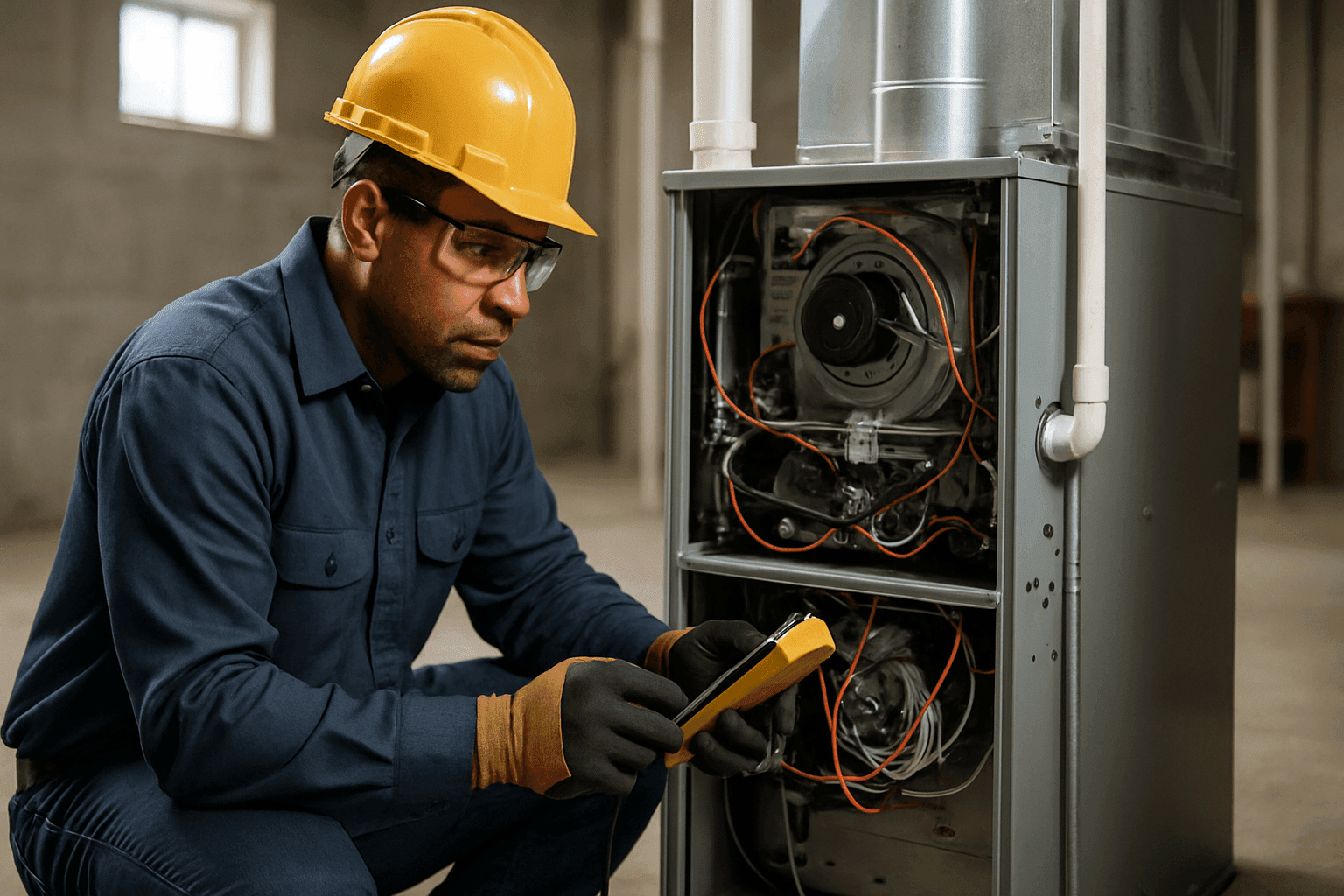
When the winter chill creeps in, your furnace becomes the unsung hero of your home. But what happens when it starts letting you down—right when you need it most?
At Aldo Heating, Cooling & Air, we’ve seen it all: late-night breakdowns, unsettling noises, and families bundled in blankets waiting for help. With years handling emergency hvac calls, we know the signs of real trouble—and how to keep your home safe.
Red Flags Every Homeowner Should Know ⚠️
Think of your furnace like a car. If it starts knocking, sputtering, or refusing to start, it’s trying to tell you something. Here are the warning signs that should never be ignored:
- Strange Noises: Banging, screeching, or rattling sounds aren’t normal. They’re your furnace’s cry for help—possibly loose parts, a cracked heat exchanger, or worn bearings.
- No Heat or Weak Airflow: If your system blows cold air or the airflow feels weak, you could have a clogged filter, malfunctioning blower, or ignition problems.
- Frequent Cycling: Is your furnace turning off and on rapidly? This “short cycling” wastes energy and points to thermostat issues, airflow restrictions, or even overheating.
- Odd Smells: A musty odor means possible mold in the ducts. A burning smell could be dust—or something more serious, like an electrical problem. Rotten egg smells? That’s a gas leak. Evacuate and call for help immediately.
- Yellow Pilot Light: The pilot light should burn blue. Yellow or flickering flames signal incomplete combustion and carbon monoxide risk.
Each of these signs is a flare in the night. Ignoring them won’t make them go away—and sometimes, it can make things much worse.
Quick Action Checklist: What To Do When Trouble Strikes
If you spot any of these warning signals, don’t panic. Take these steps to stay safe until help arrives:
- Turn off the furnace if you smell gas or notice a yellow pilot light.
- Check your thermostat for settings or dead batteries.
- Replace the air filter if it’s dirty or clogged.
- Keep flammable objects away from the furnace area.
- Ventilate the room if you detect strange or strong odors.
- Evacuate and call emergency services for gas leaks or smoke.
Safety tip: The National Fire Protection Association (NFPA) and U.S. Consumer Product Safety Commission stress the importance of maintaining clear, accessible exits and working carbon monoxide detectors near your furnace.
When to DIY vs. Call a Pro
It’s tempting to tinker—especially when you’re cold and frustrated. But knowing where to draw the line can keep your home safe and your repair bill reasonable.
DIY:
- Changing the air filter
- Resetting the thermostat
- Checking for tripped breakers
Call an Emergency HVAC Pro:
- Gas smells, electrical burning, or smoke
- Loud bangs, repeated cycling, or no heat at all
- Water pooling around the furnace
- Pilot light issues or carbon monoxide alarm sounding
Remember: Electricity and gas are unforgiving. If you’re ever unsure, it’s safer—and often cheaper in the long run—to call Aldo Heating, Cooling & Air for HVAC Repair near you.
What Pros Do On Arrival
Our technicians arrive ready for anything. Here’s what you can expect from a professional emergency hvac response:
- Full system inspection: We check electrical, gas, and mechanical components.
- Diagnostic testing: Using industry-standard tools to pinpoint the root problem.
- Safety checks: We look for carbon monoxide leaks, gas leaks, and electrical hazards.
- Clear communication: You’ll get a straightforward explanation and options—no confusing jargon.
- Rapid repair: Most issues can be fixed on the spot, minimizing downtime.
We follow all local building codes and manufacturer recommendations, so your system works safely and efficiently.
Preventing Future Breakdowns
A furnace is like any athlete: it needs regular tune-ups to perform its best. Here’s how to keep breakdowns at bay:
- Replace filters every 1–3 months.
- Schedule annual professional maintenance.
- Keep vents and registers clear of furniture and dust.
- Test carbon monoxide detectors monthly.
- Address minor issues early—before they turn into emergencies.
The U.S. Department of Energy recommends routine maintenance to extend the life of your furnace and save on energy costs.
Costs & Time Factors
Furnace repairs range from quick fixes to more complex jobs. Here’s what affects how long and how much:
- Simple fixes: (filters, thermostats) can take less than an hour.
- Mechanical repairs: (motors, igniters) might take 1–3 hours.
- Major issues: (heat exchanger, gas valve) can stretch to several hours, plus parts costs.
Note: Emergency hvac repairs may cost more after hours or on weekends, but fast action often prevents bigger, costlier damage down the road.
When It’s an Emergency
Not all furnace problems are created equal. Here’s when to call for help immediately:
- Gas smell or carbon monoxide alarm
- No heat in freezing temperatures (especially if elderly, infants, or those with medical conditions are present)
- Electrical burning, sparks, or smoke
- Loud, sudden bangs or persistent screeching
If in doubt, err on the side of caution. Your safety always comes first.
FAQ: Furnace Repair Emergencies
Q: Why does my furnace make loud banging noises?
A: It could be delayed ignition or expanding ductwork. If it’s persistent, call a pro to check for dangerous fuel build-up.
Q: What does a yellow pilot light mean?
A: It signals poor combustion and possible carbon monoxide risk. Turn off the furnace and seek help right away.
Q: Can I run my furnace if it smells musty?
A: Musty smells may mean mold or dust. Turn off the system and have it inspected to protect your indoor air quality.
Q: How often should I schedule maintenance?
A: At least once a year—ideally before heating season begins.
Local & Seasonal Considerations
Winter storms, sudden drops in temperature, or power outages put extra strain on your furnace. If you live in an older home or an area with extreme weather swings, schedule a pre-season checkup and make sure you know where your emergency shutoffs are located.
Humidity swings can also affect how your furnace runs. If you notice condensation, rust, or odd smells, don’t wait—these are important clues something’s not right.
Don’t let a small furnace issue turn into an expensive, sleepless night. When you need fast, professional emergency hvac service, Aldo Heating, Cooling & Air is here to help—day or night.
Call Aldo Heating, Cooling & Air now — or reach us anytime at 877-748-4187 .